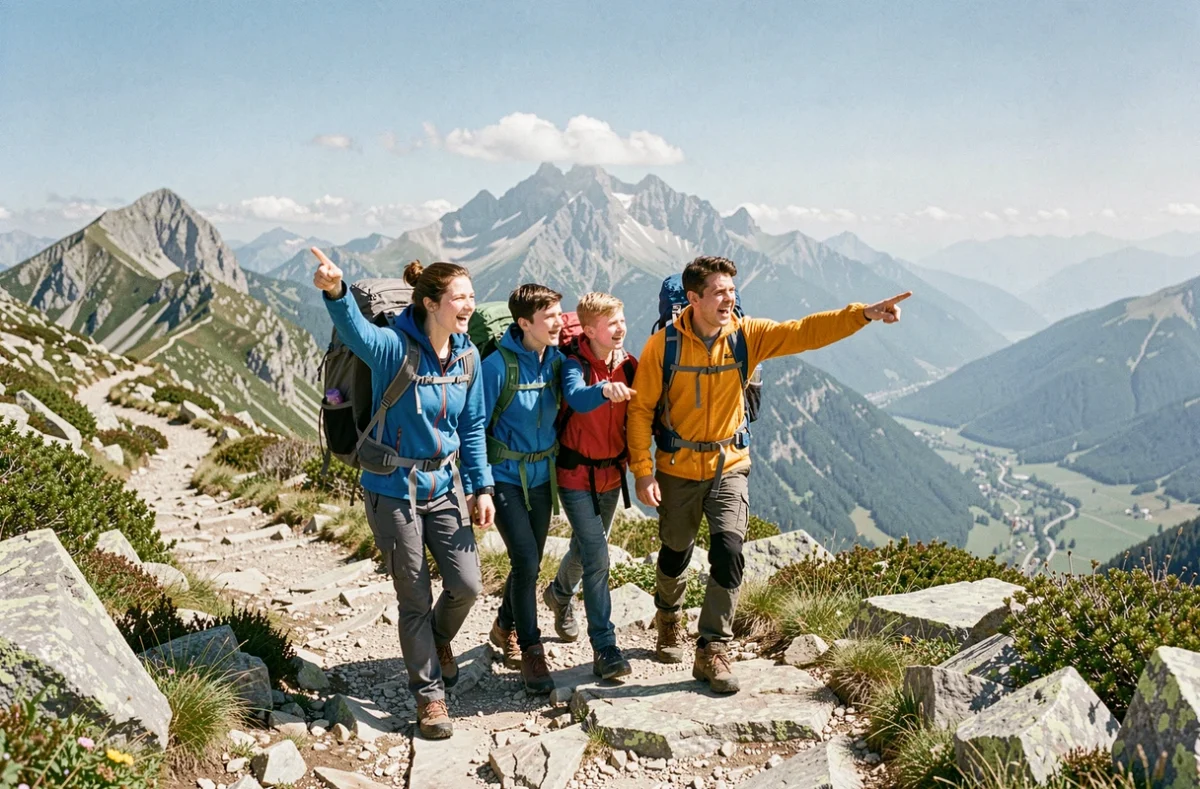
The Pérics circuit connects four guarded refuges between Haute-Ariège and Capcir, on a loop of about 49 km with a total elevation gain of 2,310 m. The route, marked as a GR de pays (yellow and red) as well as GR7 and GR10, traverses mineral landscapes dotted with high-altitude lakes: in Beys, Bouillouses, Camporells.
Traveling this route with children requires considering practical constraints that go beyond the choice of stages: availability of water, reservation of refuges, pace of progress, weight of bags.
Water and supplies in refuges: what the mountains no longer guarantee
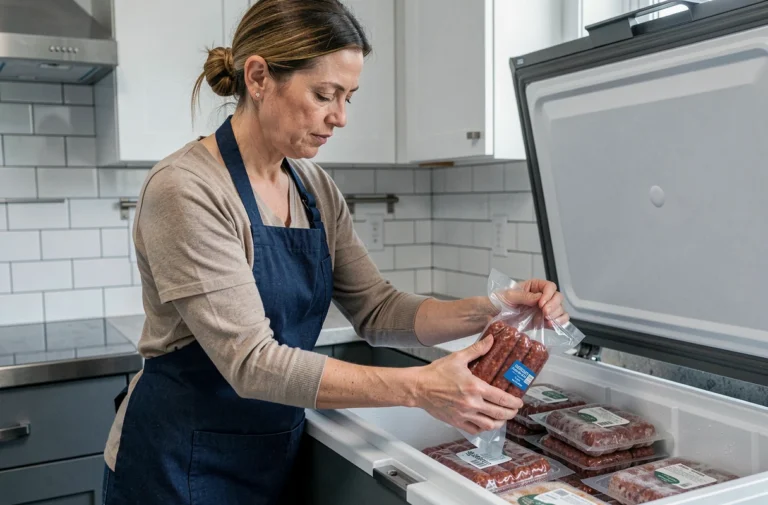
The high mountain refuges in the Pyrenees face increasing logistical constraints. Recent observations on the operation of the refuges highlight the effects of climate change on daily operations: the water available in the refuge may be rationed in certain seasons, and meals depend on sometimes unpredictable resupply.
For a family, this reality changes the game. A child consumes proportionally as much water as an adult during exertion, and dehydration at altitude progresses quickly. The intermediate sources along the trail are not all reliable: their flow varies according to winter snowfall and summer rainfall. Checking the availability of water with the refuge guardians before departure is not generic advice; it is a practical precaution.
In practice, this means leaving with enough water-carrying capacity to cover the longest stretches, particularly between the Bésines refuge and the Bouillouses refuge. Preparing the Pérics circuit with family means integrating these constraints right from the packing stage, not just when choosing the stages.
Reservation of refuges on the Pérics circuit: no simple backup plan
The four guarded refuges on the loop (in Beys, Bésines, Bouillouses, Camporells) operate during limited guardian periods, generally from June to September. Outside of these time slots, accommodation is simply not available in conditions suitable for children.
Bivouacking, sometimes presented as a fallback solution, cannot play this role without reservation. In France, it is still regulated by article R.111-32 of the Urban Planning Code, and local regulations may restrict or prohibit bivouacking depending on the status of the areas crossed. Field reports vary on this point: some hikers bivouac without difficulty near the lakes, while others report occasional restrictions related to the protection of sensitive natural areas.
With children, relying on bivouacking as an alternative to a full refuge exposes one to uncomfortable situations, or even regulatory issues. Advance reservation of the four refuges remains the only reliable approach to secure the itinerary.
Points to check before booking
- The opening dates of each refuge vary slightly from season to season: contact the guardians directly rather than relying on the dates displayed the previous year
- Half-board simplifies the logistics of the backpack, but menus are not always suitable for young children: ask in advance about adjustment possibilities
- Sleeping in a shared dormitory can be problematic with young children: some refuges have small rooms, others do not
Elevation and walking pace with children in the Pyrenees
The Pérics circuit has a difficulty rating of 3 out of 5, with days of five to six and a half hours of walking and positive elevation gains between 500 and 750 m per stage. These figures, calibrated for a physically fit adult, should be viewed through the lens of family progression.
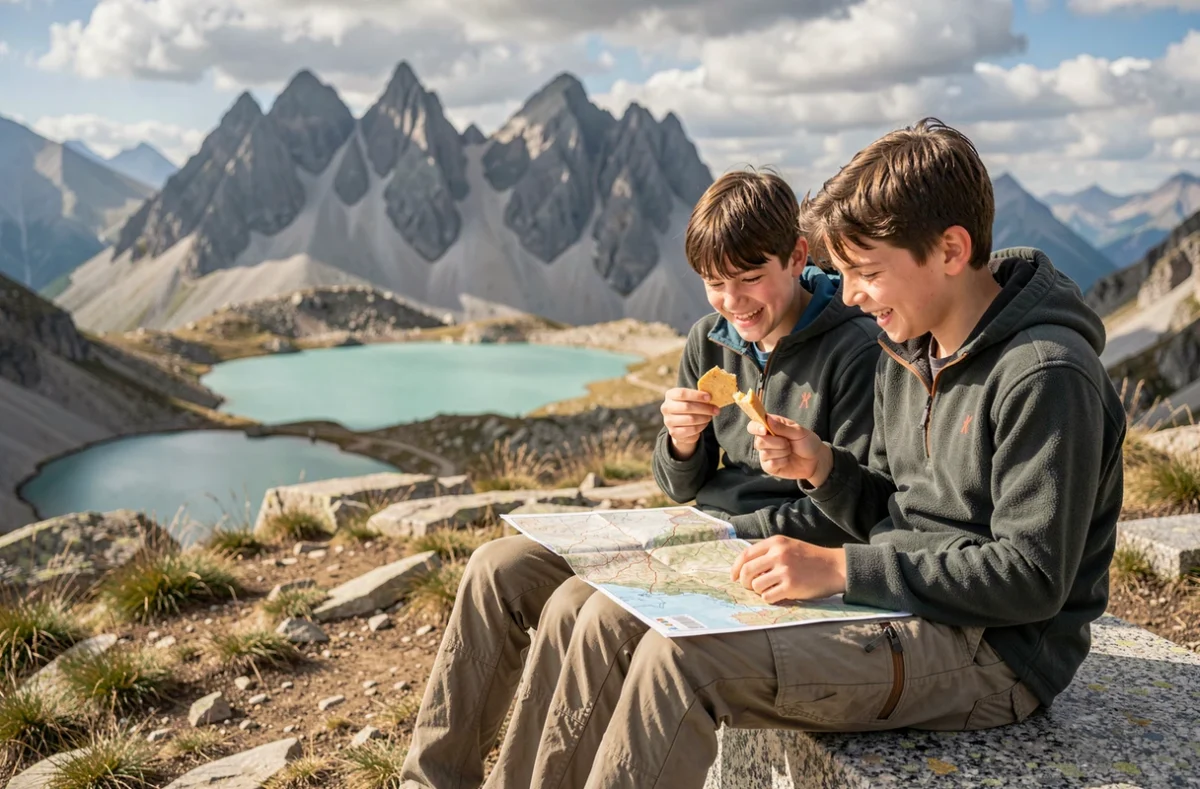
An eight-year-old child walks at an average pace significantly slower than that of a trained adult, especially uphill on rocky terrain. The announced walking times can easily double with young hikers. This transforms a five-hour stage into a full day, with implications for fatigue, nutrition, and hydration.
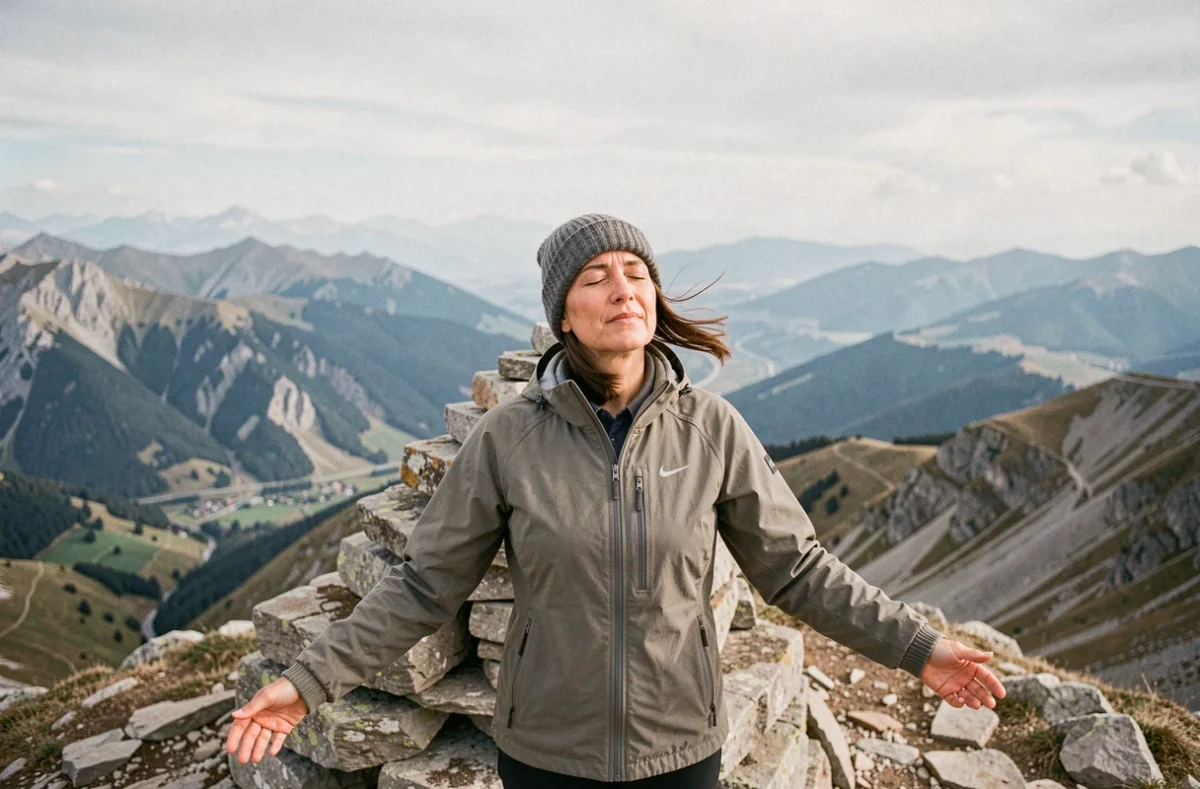
The highest point of the itinerary reaches 2,591 m in altitude. At this level, weather conditions can change rapidly: summer storms, sudden temperature drops, fog. With children, the time safety margin must be calculated to allow for an early morning departure and an arrival at the refuge well before late afternoon.
Preparing the backpack for a family hike in a refuge
The logistics of the backpack condition the experience as much as the choice of the itinerary. On a four-day trek in a guarded refuge, each family member capable of carrying a bag should transport their personal belongings, plus a share of the collective equipment.
- Plan for a silk sheet or sleeping bag liner per person: required in most refuges for hygiene reasons
- Trekking poles significantly reduce joint fatigue on descents, including for children from a certain height
- A filter or water purification tablets allow for supplementing water autonomy between two refuges when sources are available
- Warm clothing (fleece, waterproof windbreaker) remains necessary even in mid-summer above 2,000 m
The weight of a child’s backpack should not exceed a certain percentage of their body weight. Available data does not allow for setting a universal threshold, but feedback from families who have traveled similar routes converges on a light load, focused on clothing and a water bottle.
Trails between lakes and ridgelines: what makes the route suitable for children
The Pérics circuit route runs alongside several high-altitude lakes (in Beys, Bouillouses, Camporells), providing motivating visual landmarks for young hikers. The succession of landscapes, between forest trails, mineral passages, and lakeside shores, keeps attention focused on concrete and nearby objectives.
The itinerary follows the watershed between the Atlantic and the Mediterranean. This geographical detail, easy to explain to a child, provides a narrative thread for the journey. The Beys pond, the Bouillouses lake, and the Camporells lakes are not just simple backdrops: they structure each day of hiking around an identifiable endpoint.
The GR de pays marking, complemented by GR7 and GR10, makes navigation relatively clear. However, a few rocky passages above 2,400 m require increased vigilance with children, especially in wet weather when surfaces become slippery.
The Pérics circuit remains a mountain itinerary, not a marked walk in the valley bottom. Reservation of refuges, checking water availability, adapting pace, and lightening packs: these four points, addressed before departure, allow for transforming a demanding trek into a shared experience between the lakes of Capcir and the Ariège ridges.