Everyday style relies less on the accumulation of pieces than on mastering a few precise mechanics: proportion, color coherence, and quality of materials. Elevating your style does not require a constant renewal of your wardrobe, but rather a technical understanding of what works for your silhouette and what detracts from the whole.
Proportion Ratio: The Technical Lever That Style Guides Overlook
The proportion between the upper and lower body determines the readability of an outfit far more than the choice of color or brand. We consistently observe the same pattern: a poorly placed volume flattens the silhouette, even with quality pieces.
The principle can be summed up in one rule. One single point of volume per outfit is enough to structure the silhouette. Wide trousers paired with a fitted top, or vice versa. Two simultaneous volumes (an oversized sweater and barrel pants, for example) only work if the waist is defined by a belt or a clear tuck.
Body shape plays a direct role here. On a short torso, a top tucked into high-waisted pants visually elongates the torso. On a long torso, a slightly cropped top with mid-rise pants rebalances proportions without exposing skin.
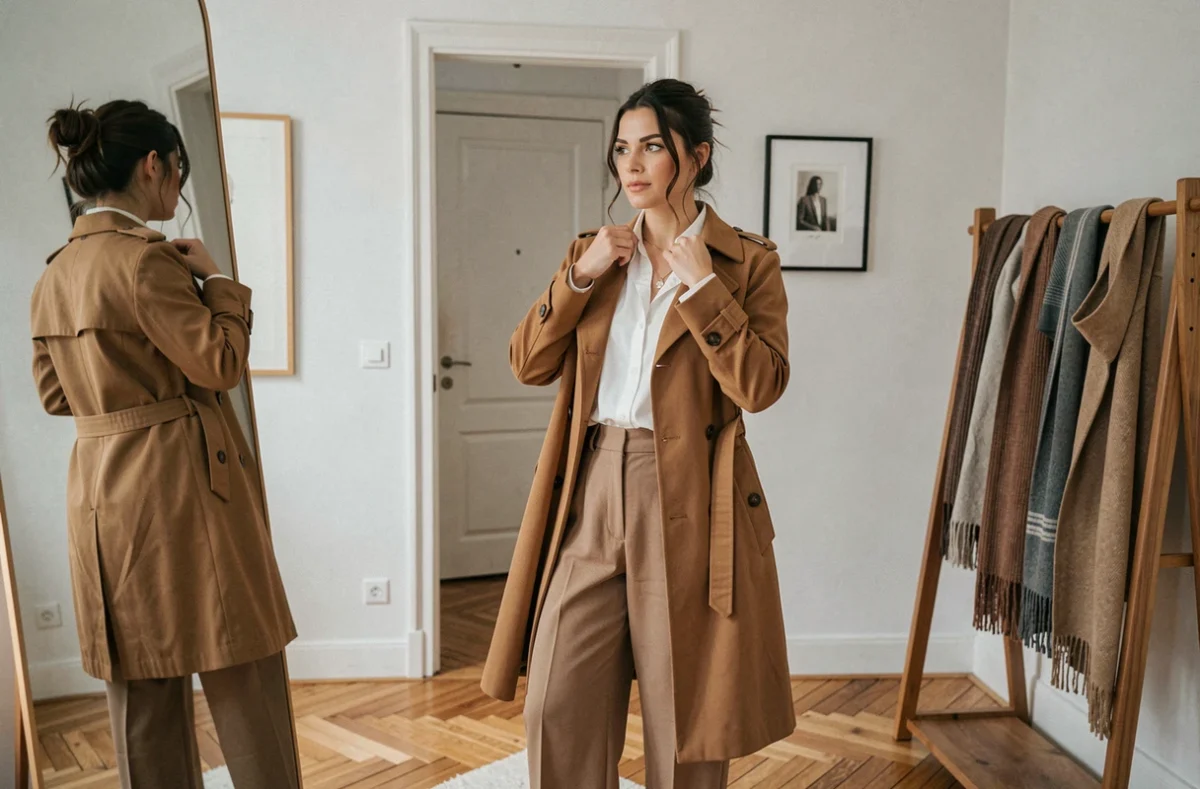
We recommend testing each new piece in front of a full-length mirror, from the front and side. The side profile reveals imbalances that the front view can mask, particularly the “squashed” effect of a coat that is too long on short legs.
Color Palette and Autumn-Winter Color Trends: Building a Cohesive Wardrobe
The seasonal color trends guide the store offerings, but elevating your look starts with a limited personal palette. Three to four base shades, complemented by one or two accent colors, cover nearly all the combinations needed for everyday wear.
On the fashion space on Miss Marion, the seasonal selections allow for quick identification of which shades are in circulation and how to pair them with existing basics.
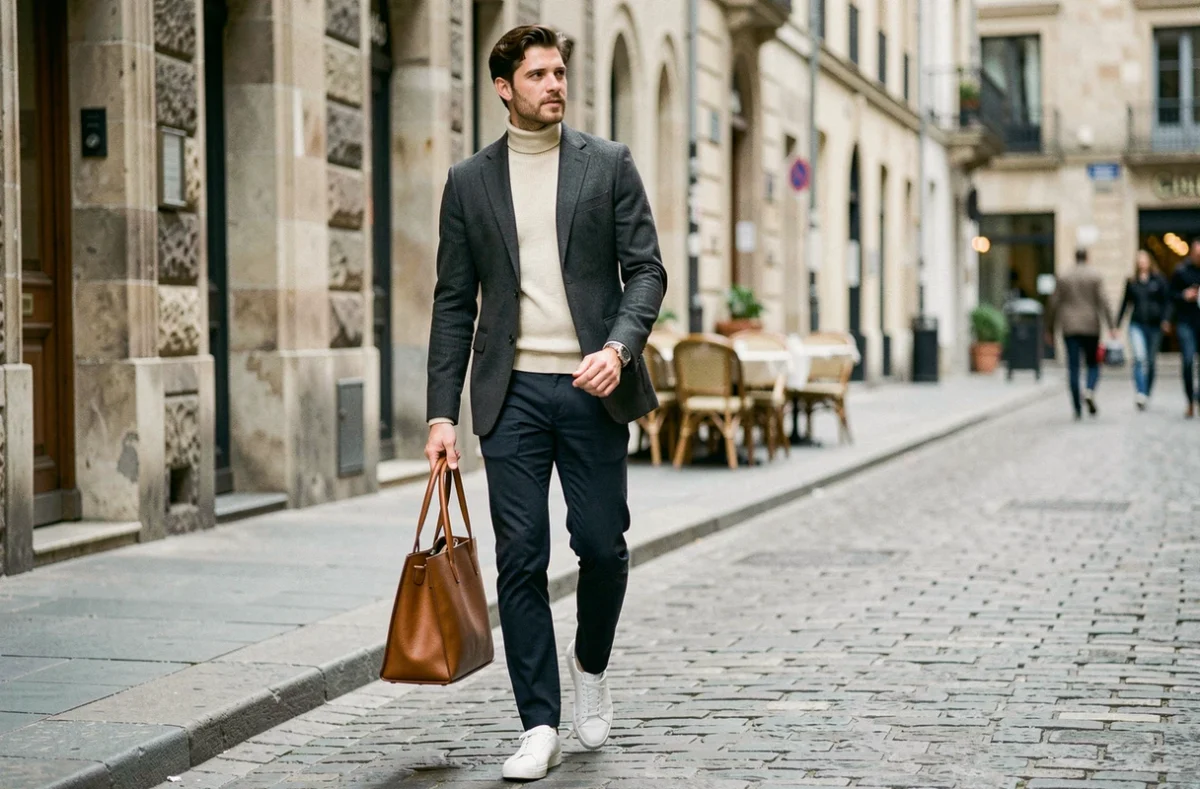
Earth tones (camel, terracotta, khaki) provide a versatile foundation that transcends seasons without becoming outdated. For spring, lighter tones (beige, butter yellow, pistachio green) take over. Limiting your palette prevents impulsive purchases and ensures that each piece integrates into multiple outfits.
A simple test: if a new piece does not combine with at least three items already in your wardrobe, it will end up under-worn. This filter applies to both colors and prints.
Managing Contrasts According to Skin Tone
The level of contrast between the top and bottom influences the perception of the silhouette. A strong contrast (black and white, navy and cream) draws the eye to the junction line, usually the waist or hips. A low contrast (tone on tone, monochrome) elongates the silhouette by creating visual continuity.
For a woman with a light complexion, medium contrasts (charcoal gray and off-white, denim blue and beige) avoid the “washed out” effect of overly pale shades worn together. Darker complexions can handle marked contrasts without losing readability.
Second-Hand Textiles and Regulations: What’s Changing for Everyday Style
Since July 2026, large companies in the EU can no longer destroy unsold clothing and shoes, except for very specific exceptions (counterfeiting, hazardous products). This ban, stemming from Article 25 of Regulation (EU) 2024/1781 on ecodesign, reshuffles the cards.
In practice, more branded pieces are entering the market through clearance channels, outlets, and refurbishment platforms. For those looking to elevate their style on a limited budget, this is a gateway to materials and cuts that are usually out of reach.
Meanwhile, the second-hand textile market continues to grow. In France, Refashion data indicates that the share of second-hand represents about 7% of the textile volumes consumed, with notable growth among those under 25. This channel is no longer a fallback option: it is a full-fledged style lever.
- Favor pieces made from natural fibers (wool, cotton, linen) that age better and resell more easily than synthetics
- Check the condition of seams, buttonholes, and linings before purchase, the three wear points that reveal a tired piece
- Target timeless basics in second-hand (trench coat, blazer, raw denim) and reserve new items for statement pieces or accessories
Accessories and Finishing Touches: The Details That Elevate a Basic Look
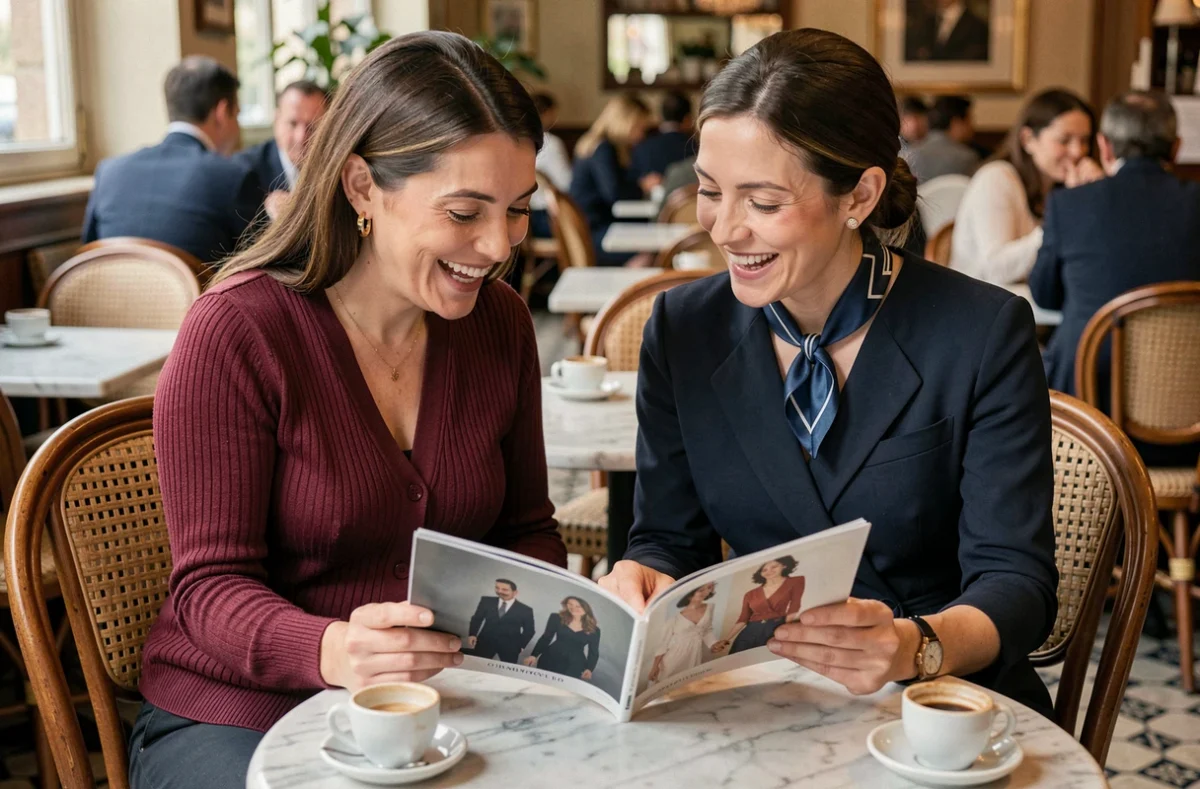
A look composed of well-proportioned basics and chromatically coherent reaches a ceiling without accessories. The belt, watch, bag, and shoes function as finishing markers that signal the intention behind the outfit.
One strong accessory piece per outfit maintains readability. A structured bag with discreet jewelry, or statement jewelry with a neutral bag. Stacking signals dilutes each of them.
Shoes deserve special attention. They anchor the silhouette: a pair of pointed ankle boots visually elongates, while a thick sole flattens if the pants are too short. The rule of coherence dictates that the style of the shoe should be compatible with the style of the pants or dress.
- Smooth leather belt for a dressed-up look, woven or fabric belt for a casual look
- A bag whose size is proportionate to the frame: too small on a tall silhouette, it looks miniature; too large on a petite silhouette, it creates imbalance
- Metal jewelry should remain in the same family (all gold or all silver) to avoid visual cacophony
Everyday style is built as much by subtraction as by addition. Removing an element before heading out often improves an outfit more than adding one. This discipline of editing, applied to proportions, colors, and accessories, yields more sustainable results than any seasonal trend.