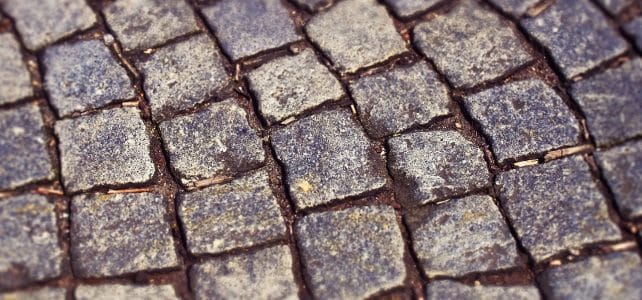
Imagine a paved street, elegant and functional, that harmoniously combines aesthetics and utility. However, not all pavers are created equal. The crucial distinction between driveable pavers and non-driveable pavers lies in their ability to support varying loads. This differentiation, although subtle, significantly influences the choice of outdoor pavers for specific construction projects such as driveways, sidewalks, and courtyards. Understanding this difference is essential to ensure that each paved surface meets durability and safety requirements.
Definition and characteristics of driveable pavers
Driveable pavers are designed to withstand the stresses imposed by the passage of vehicles, whether light or heavy. This type of paver is a preferred choice for high-traffic areas such as roads, parking lots, and garage driveways.
- Materials and manufacturing: Driveable pavers are generally made from robust materials such as concrete, natural stone, or reconstituted stone. These materials provide increased resistance to heavy loads and mechanical shocks.
- Thickness and dimensions: Another crucial criterion is thickness. Driveable pavers are often thicker (generally between 6 and 10 cm) than their non-driveable counterparts, giving them a better load-bearing capacity.
- Installation: The installation of driveable pavers requires careful ground preparation, including a solid base and a drainage sub-layer to prevent settling and water infiltration that could compromise their integrity.
Definition and characteristics of non-driveable pavers
Unlike their driveable counterpart, non-driveable pavers are intended for pedestrian areas and surfaces where only light loads are applied. These pavers find their place in aesthetic and functional environments where vehicle traffic is absent or minimal.
- Materials used: Non-driveable pavers can be made from various materials such as reconstituted stone, ceramics, or even certain types of lightweight concrete. These materials are selected for their aesthetic qualities and their adaptability to less demanding load uses.
- Thickness and size: Non-driveable pavers are often thinner (generally between 3 and 5 cm) than driveable pavers. Their dimensions vary, but they are designed to be aesthetically pleasing and easy to lay on pedestrian surfaces.
- Installation: The installation of these pavers is also less demanding in terms of preparation. A simple concrete slab or a layer of compacted sand may suffice to ensure their stability.
Cost and durability comparison
The difference between driveable and non-driveable pavers is also reflected in costs and durability. These aspects are crucial for decision-makers and property owners looking to optimize their investment.
Driveable pavers, due to their increased resistance and the materials used, tend to be more expensive. However, this initial investment is offset by greater durability and a reduced need for maintenance in the long term. Non-driveable pavers, while less costly, may require more frequent replacements or repairs, especially if used in conditions for which they are not designed.
Choosing and applying pavers based on needs
The choice between driveable and non-driveable pavers should be guided by a precise assessment of the specific needs of each project. Different criteria must be considered to make an informed decision.
- Intended use: The first question to ask is the intended use of the paved surface. Will it be a garage driveway, a sidewalk, a courtyard, or purely decorative space?
- Expected load: Assessing the loads that will be applied to the surface is essential. Light vehicles, heavy trucks, or simply pedestrians directly influence the choice of paver type.
- Aesthetics: The choice of materials and colors should also take into account the overall aesthetics of the environment. Natural stone pavers, for example, can offer a timeless and elegant appearance.
- Budget: Finally, the available budget may guide the choice towards more or less expensive solutions, while considering potential maintenance and replacement costs.
Driveable and non-driveable pavers present distinct characteristics that must be carefully evaluated to ensure a durable and functional installation. Choosing the right type of paver based on specific needs, constraints, and objectives is essential to ensure the longevity and effectiveness of the paved surface while meeting aesthetic and budgetary requirements. For projects where durability and strength are paramount, driveable pavers are the preferred option. In contrast, for pedestrian or decorative spaces, non-driveable pavers offer an aesthetic and economical solution.